If you're choosing between Cardsoon and the ALAT virtual card in Nigeria, Cardsoon comes out ahead on the fees that quietly eat your money — it charges $0 in monthly card maintenance and a lower 2.5% cross-border fee, compared to ALAT's dollar card that can cost up to $1 a month plus around 3.5% on foreign transactions.
Both let you pay online in dollars, but they charge you very differently for it. In this blog, we break down the real cost of each card, how they work day to day, how fast you can start spending, and which one gives you better value — so you can pick the virtual card that keeps more money in your pocket.
What Is the Difference Between Cardsoon and the ALAT Virtual Card?
The ALAT virtual card is issued by ALAT by Wema, the digital bank from Wema Bank. It comes in two flavours: a virtual naira card for local online payments and a virtual dollar card for international transactions like Netflix, Spotify, ads, and software subscriptions.
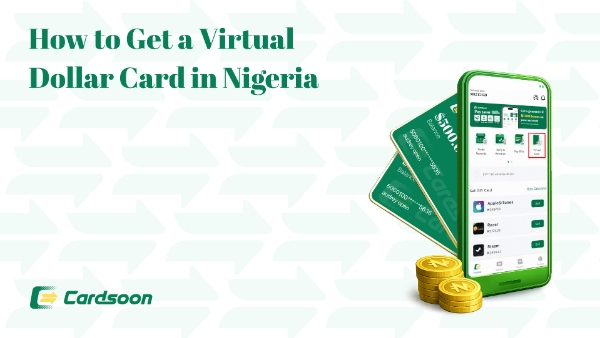
Cardsoon is a gift card trading app in Nigeria that also offers services like Virtual Dollar Card , Bill Payment and more. You fund your card by selling gift cards for Naira and fund your card to use on all international platforms such as for Netflix subscription, Spotify subscription, paying for TikTok ads etc.
Cardsoon vs ALAT Virtual Card: Which Has Lower Fees and Better Rates?
On the fees that matter most for a dollar card — recurring maintenance and foreign transaction charges — Cardsoon is cheaper. Here's the honest breakdown of what each card costs.
What the Cardsoon virtual card costs
- Card issuing fee: $1 one-time
- Card maintenance fee: $0 — no monthly or quarterly charge
- Maintaining balance: just $1 kept on the card
- Card funding fee: 1.5% of the top-up, minimum $3
- Cross-border fee: 2.5% + $0.50, charged by Visa/Mastercard
What the ALAT virtual card costs
- Virtual naira card: ₦200 to issue, plus ₦50 maintenance every quarter
- Virtual dollar card: free to issue, but up to $1 per month in maintenance
- Non-USD transactions (dollar card): about 3.5% + $0.50
- FX conversion: standard Wema Bank FX markup applies when you convert naira to dollars
The gap adds up. On ALAT's dollar card you could pay roughly $12 a year in maintenance alone, while Cardsoon charges nothing to keep the card. And on every foreign payment, Cardsoon's 2.5% cross-border fee is a full percentage point lower than ALAT's ~3.5% — so the more you spend abroad, the more you save with Cardsoon.
How to Create a Virtual Dollar Card on Cardsoon and ALAT
Both cards set up on your phone in minutes. Here's how each works.
How to create a virtual card on Cardsoon
- Download the Cardsoon app and create your account.
- Go to the Cards section and tap Create Card.
- Pay the $1 issuing fee and fund the card (1.5% funding fee, minimum $3 top-up).
- Start paying at any site that accepts Visa or Mastercard.
How to create a virtual card on ALAT
- Download and log into the ALAT by Wema app.
- Open the main menu, select Cards, then tap Virtual Cards.
- Choose either the Naira Virtual Card or the Dollar Virtual Card.
- Fill in your details and enter the amount you want to fund the card with.
One practical difference: to use ALAT you generally need a Wema/ALAT bank account with full KYC.
Which Card Is Better for Everyday Online Payments in Nigeria?
For everyday international spending — subscriptions, online shopping, ads, freelancing tools — Cardsoon is the better-value choice because your ongoing costs are lower. You skip the monthly maintenance fee entirely and pay less on each foreign transaction.
ALAT still has real strengths. It's backed by a licensed Nigerian bank, its dollar card is free to issue, and the naira card is handy for purely local online payments. If you already bank with ALAT and only make the occasional foreign payment, it can be convenient.
But if you spend in dollars often, the math favours Cardsoon. And because Cardsoon also lets you sell gift cards and trade crypto for instant payout, you can fund your dollar spending without touching the naira-to-dollar bank queue at all.
Why Cardsoon Offers Better Value Than the ALAT Virtual Card
No recurring maintenance: $0 vs up to $1/month on ALAT's dollar card
Lower foreign transaction fee: 2.5% + $0.50 vs ~3.5% + $0.50
No extra bank FX markup layered on top
Zero transaction fee on spending
Two active cards, plus gift-card and crypto features in the same app
FAQs
Is Cardsoon cheaper than the ALAT virtual card?
On recurring costs, yes. Cardsoon charges $0 in card maintenance and a 2.5% cross-border fee, while ALAT's dollar card can cost up to $1 a month plus around 3.5% on foreign transactions. You do pay a one-time $1 to open a Cardsoon card, whereas ALAT's dollar card is free to issue.
Can I use the ALAT virtual card for international payments?
Yes. The ALAT virtual dollar card works for online dollar payments like Netflix, subscriptions, and ads. Just note that non-USD transactions attract roughly 3.5% + $0.50, plus Wema's FX markup when you convert naira to dollars.
Can I withdraw cash from a Cardsoon virtual card?
Not at the moment. Cardsoon virtual cards are built for online payments, not ATM withdrawals. If you need cash, use Cardsoon's gift card or crypto sale features to get paid into your bank account instead.
Do I need a bank account to use Cardsoon?
No Wema account required. You sign up directly in the Cardsoon app and create your card there, unlike ALAT which ties the card to a Wema/ALAT bank account.
Which card is better for freelancers and online shoppers in Nigeria?
For anyone making frequent foreign payments, Cardsoon usually works out cheaper thanks to its lower 2.5% cross-border fee and $0 maintenance. Occasional spenders who already bank with ALAT may find its free dollar card issuance convenient.
Does Cardsoon charge a monthly maintenance fee?
No. Cardsoon's card maintenance fee is $0; you only keep a $1 maintaining balance. ALAT's dollar card, by contrast, can charge up to $1 every month.
Conclusion
If you want a virtual dollar card that costs less to keep and charges lower fees on foreign payments, Cardsoon is the better pick — no monthly maintenance and a 2.5% cross-border fee versus ALAT's higher recurring and FX costs. ALAT still makes sense if you want a naira card tied to a full bank account. But for pure value on online dollar spending, Cardsoon wins.